

Published on
January 25, 2026
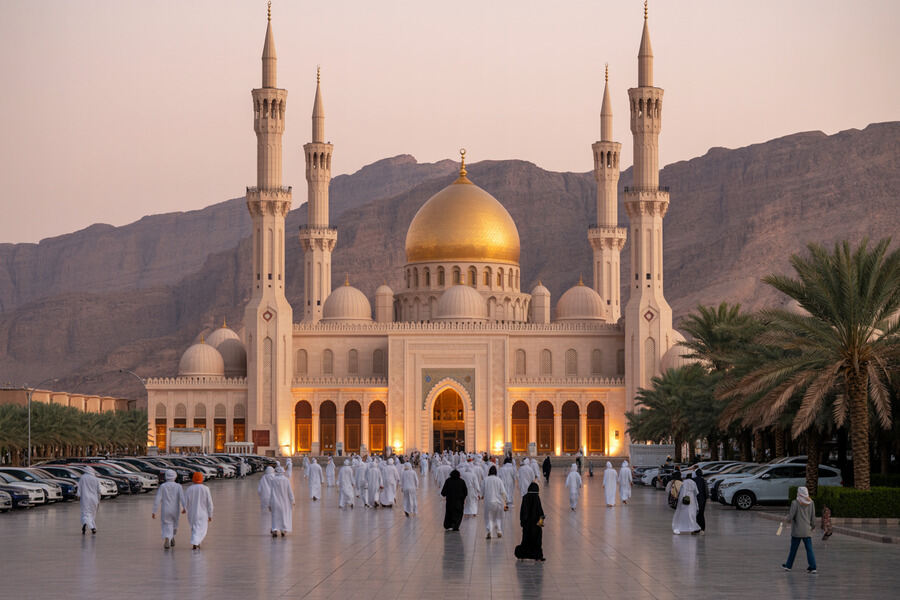
Saudi Arabia Joins Qatar, Bahrain, UAE, Oman, and Kuwait in Facing Unpredicted Travel Risks and Tourism Disruptions Amid Iran-US Tensions due to the escalating geopolitical instability in the Middle East. As tensions between Iran and the US continue to rise, several Gulf nations are experiencing an unpredictable surge in security risks and tourism-related disruptions. From heightened terrorism threats and missile attacks to the risk of civil unrest, countries such as Saudi Arabia, Qatar, Bahrain, UAE, Oman, and Kuwait are all grappling with a volatile situation that directly impacts travelers. With airspace closures, potential flight cancellations, and escalating risks in popular tourist destinations, it is crucial for travelers to stay informed and exercise caution when planning visits to these nations.
The Middle East has long been a region of geopolitical significance, with tensions simmering beneath the surface for decades. However, recent developments have thrown several Gulf nations into an unpredictable travel and tourism environment. Saudi Arabia, Qatar, Bahrain, UAE, Oman, and Kuwait are now all grappling with rising risks and disruptions due to the escalating conflict between Iran and the US. As these countries navigate this uncertain terrain, tourists and travelers must adjust their expectations, as travel disruptions, security concerns, and rising tourism risks become a reality.
Let’s break down how each Gulf nation is coping with the current state of affairs, including their specific challenges and travel advisories.
Saudi Arabia: Heightened Terrorism Threat and Border Concerns
Saudi Arabia has long been a powerhouse in the Gulf, with its vast landscapes, historical sites, and religious significance drawing millions of tourists every year. However, the current geopolitical climate has made the Kingdom more vulnerable to rising risks.
Advertisement
Advertisement
Advertisement
Advertisement
Saudi Arabia is facing a high threat of terrorism and missile and drone attacks. The situation in the region is volatile, with tensions between Iran and the US spilling over into other parts of the Middle East. Saudi Arabia is also facing significant risks along its southern border with Yemen, where ongoing conflicts have made travel to areas within 30 km of the border a high-risk activity.
The US Embassy has advised American citizens to avoid non-essential travel to military installations and regions near the Yemen border, indicating the dangers posed by missile strikes and drone attacks. Terrorist activities can happen at any time, making it essential for travelers to remain alert, especially in crowded places, foreigner-frequented areas, and energy infrastructure sites.
Advertisement
Advertisement
In addition, Saudi Arabia’s strict laws against demonstrations and protests have led to concerns for tourists who may unknowingly find themselves caught in civil unrest. Authorities have warned tourists to avoid participating in or getting too close to such events, as the penalties for participation can be severe.
Travel Advisory: Saudi Arabia’s tourism is facing substantial risks, but with heightened security and vigilance, travelers can still explore its historic and religious offerings, such as Mecca and Medina, with proper precautions.
Advertisement
Advertisement
Qatar: Navigating Risks Amid Regional Tensions
Qatar, once considered a beacon of prosperity and stability in the Gulf, now faces challenges that threaten its tourism sector. The escalating conflict between Iran and the US has affected the entire Gulf region, and Qatar is no exception.
The nation has raised its travel advisory due to rising terrorist threats and civil unrest. Terrorist attacks in the wider Gulf region have created a volatile environment, with Qatar experiencing an uptick in security threats. In particular, places frequented by tourists, such as malls and public squares, are considered potential targets for terrorist activities. The government has warned tourists to exercise extreme caution when visiting crowded or high-profile areas.
Another significant issue facing Qatar is the risk of civil unrest. While protests are not common in the country, global tensions have sometimes sparked small demonstrations. Travelers are advised to stay away from protests and public gatherings, which could turn violent unexpectedly.
Despite these challenges, Qatar’s low crime rate and modern infrastructure continue to make it a viable destination for visitors willing to exercise caution. The country is preparing to host the 2022 FIFA World Cup, a significant milestone that will likely boost its tourism industry. However, travelers should remain vigilant and follow official advice to minimize risks.
Travel Advisory: The growing threat of terrorism and civil unrest makes it crucial for tourists to stay informed, avoid protests, and exercise heightened security awareness in public spaces.
Bahrain: A Rising Threat Amid Political Instability
Bahrain has long been known for its rich history, culture, and modern attractions. However, the nation is now facing heightened travel risks due to the ongoing terrorism threat and the possibility of civil unrest. As tensions flare between Iran and the US, Bahrain is becoming increasingly vulnerable to the ripple effects of this geopolitical crisis.
Bahrain’s tourist areas and other public spaces could be potential targets for terrorist activities, especially since Bahrain hosts significant regional security infrastructure, such as the Combined Maritime Forces. Tourists must be aware of the risks associated with visiting crowded locations like markets and religious sites.
Protests and demonstrations in Bahrain, though not as common as in other parts of the Middle East, are still a risk, especially in the wake of political tensions. Bahrain’s government has made it clear that demonstrations and protests are illegal, with severe penalties for those caught participating. Travelers are advised to avoid public gatherings, particularly near political events or around the time of Friday prayers, when tensions may rise.
Travel Advisory: Bahrain is facing rising security concerns. While the country remains relatively safe for tourists, it is essential to be cautious, stay away from political events, and follow local security advice closely.
UAE: High Security Awareness Amid Ongoing Risks
The United Arab Emirates (UAE), a global tourism hub known for its modern cities, luxury resorts, and iconic landmarks like Burj Khalifa, is also facing the impact of the Middle Eastern conflict. The UAE government has issued travel advisories urging visitors to exercise a high degree of caution due to the terrorism threat.
The security situation in the region remains unpredictable, with potential risks of airspace closures, flight cancellations, and other travel disruptions. While personal crime is relatively low in the UAE, petty crimes like pickpocketing, bag snatching, and drink spiking occasionally occur, especially in crowded tourist areas.
As a popular destination for both business and leisure travelers, the UAE has made it clear that visitors should always prioritize their safety, especially when there is a terrorist threat in the region. Authorities are actively monitoring developments and have strongly advised travelers to follow local security guidelines, particularly regarding airport safety.
Travel Advisory: While the UAE remains a safe destination overall, its tourism industry is experiencing heightened risks due to the geopolitical crisis. Tourists are advised to exercise caution and stay informed about the security situation.
Oman: A Hidden Gem with Increasing Travel Challenges
Oman, known for its stunning landscapes, ancient forts, and serene beaches, is one of the more peaceful countries in the Gulf. However, even Oman is not immune to the geopolitical instability that is sweeping the Middle East.
The Omani government has raised its travel advisory level, urging visitors to exercise a high degree of caution due to the ongoing risks in the region. The country faces an escalating threat of terrorist activities and violence, particularly along its border with Yemen, which remains a conflict zone. The government has strongly recommended that travelers avoid border areas and stay informed about the situation.
In addition to security concerns, Oman’s extreme weather conditions pose another challenge for tourists. The monsoon season, which lasts from June to September, brings heavy rains and flooding, while the temperatures can soar above 50°C during the hottest months. Travelers should be prepared for these conditions, especially if they plan to engage in adventure tourism activities like hiking and swimming.
Travel Advisory: Oman’s stunning beauty remains largely unaffected by the ongoing regional tensions, but travelers must exercise caution, particularly near the Yemen border, and take precautions for extreme weather.
Kuwait: A Small Nation Facing Large Security Risks
Kuwait, a small but wealthy country in the Gulf, is also feeling the effects of the ongoing geopolitical instability. The threat of terrorism remains high, with the potential for attacks on military installations or civilian areas frequented by foreigners. Kuwait has issued travel advisories, urging visitors to remain vigilant and follow local security guidelines.
The country’s crime rate is low, but travelers should be aware of the possibility of armed robberies and reckless driving. Protests and demonstrations are also a risk, particularly as tensions rise in the region. Like other Gulf nations, Kuwait has made it clear that participation in protests is illegal and can lead to severe consequences.
Travel Advisory: While Kuwait is generally safe for tourists, it faces significant risks due to the security situation in the region. Travelers should remain aware of potential threats and follow official warnings closely.
The Gulf nations—Saudi Arabia, Qatar, Bahrain, UAE, Oman, and Kuwait—are all dealing with unpredictable travel risks and tourism disruptions caused by the escalating Iran-US tensions. While each country is taking measures to safeguard its tourism industry, travelers must remain vigilant, stay informed, and follow local advice to ensure their safety.
Saudi Arabia Joins Qatar, Bahrain, UAE, Oman, and Kuwait in Facing Unpredicted Travel Risks and Tourism Disruptions Amid Iran-US Tensions due to the escalating geopolitical unrest in the Middle East, which has led to heightened security threats, travel disruptions, and growing risks for tourism across the Gulf region.
As the security situation evolves, it is crucial to monitor official travel advisories and avoid high-risk areas. By staying prepared and making informed decisions, tourists can still enjoy the beauty and hospitality of the Gulf, despite the challenges posed by the current geopolitical climate.





